What is Brain Stroke?

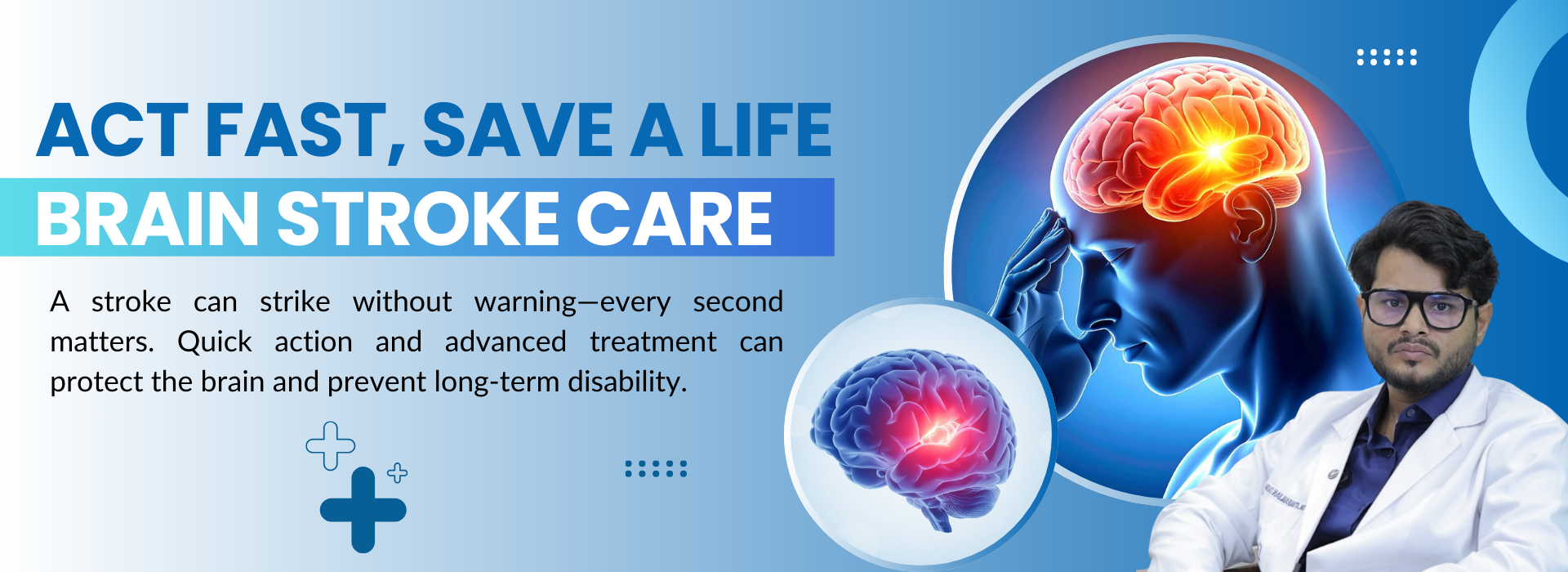
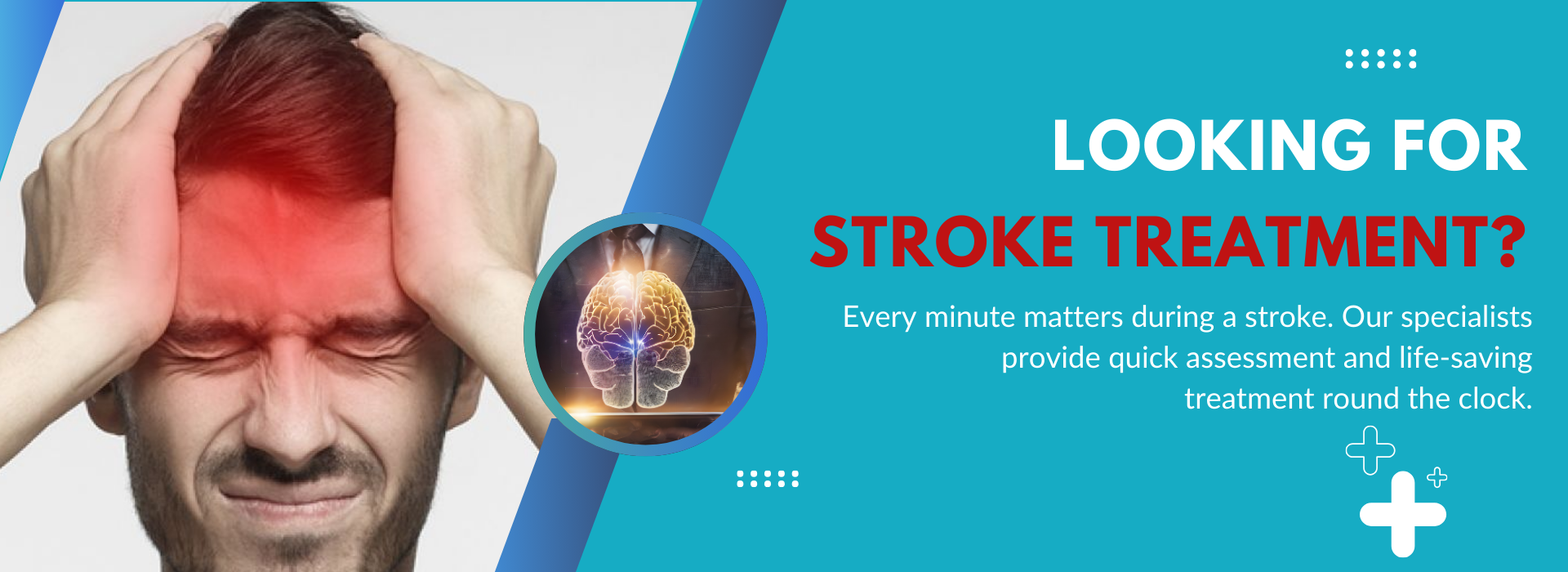
A stroke occurs when the blood supply to part of your brain is interrupted or reduced, preventing brain tissue from getting oxygen and nutrients. Brain cells begin to die in minutes, making stroke a medical emergency that requires prompt treatment. Stroke can happen suddenly, affecting anyone regardless of age or lifestyle. Recognizing the signs early and responding immediately is critical, and that’s where dedicated stroke care makes all the difference. Our approach focuses on timely intervention, advanced treatment techniques, and continuous support to ensure the best possible outcomes for patients.We understand that a stroke impacts not only the individual but also their families. Emotional guidance, education, and rehabilitation support are as important as medical treatment. Our team of neurologists, therapists, and support staff work collaboratively to provide personalized care tailored to each patient’s needs, from the moment symptoms appear to long-term recovery and rehabilitation.

Our Stroke Care Services

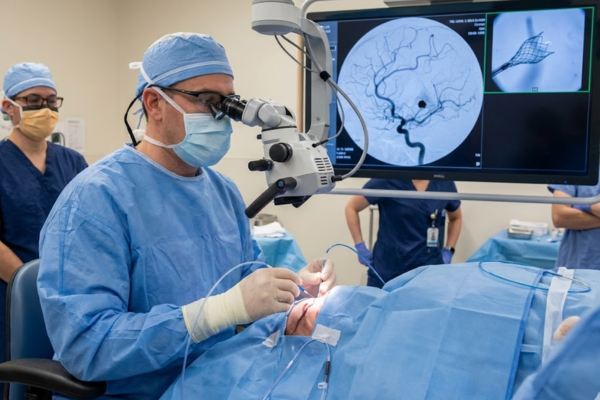
Clot Removal Surgery

Minimally invasive procedure to safely remove large clots and prevent further brain damage.
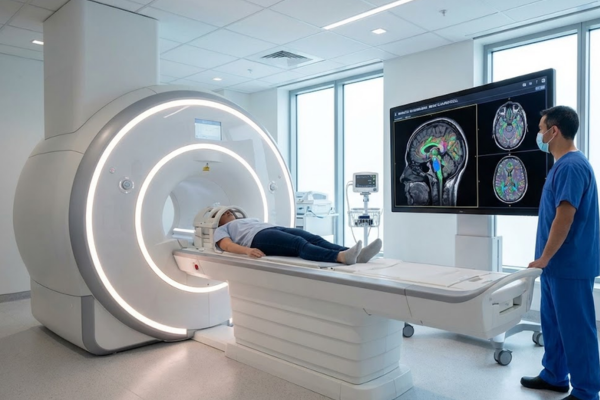
Advanced Brain Scans

High-precision imaging to detect stroke type quickly for accurate treatment decisions.
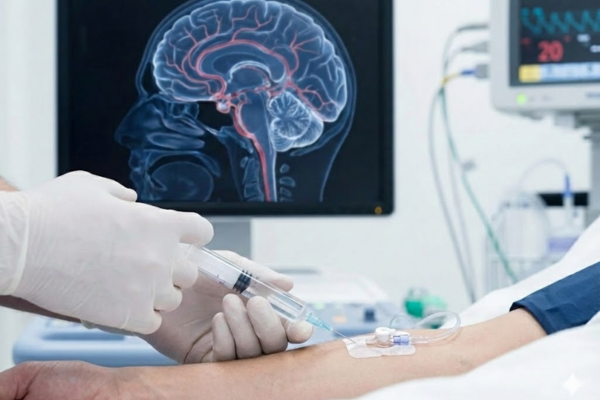
Clot-Dissolving Injections

Emergency medications to dissolve blood clots and restore normal blood flow to the brain.
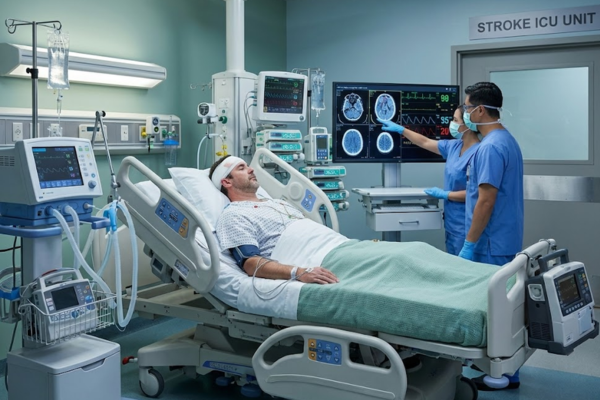
Stroke ICU Management

Specialized intensive care with continuous monitoring for critical stroke patients round-the-clock.

Features of Our Stroke Care

24×7 Emergency Response

Round-the-clock medical team available to manage stroke emergencies without delay.

Advanced Neuro Imaging

High-resolution CT, MRI, and angiography scans for accurate stroke diagnosis.

Expert Neurology Team

Skilled neurologists and neurosurgeons with extensive experience in stroke management.

Dedicated Stroke ICU

Specialized intensive care unit with continuous monitoring for critical stroke patients.

Recognize Stroke – Act F.A.S.T

Every minute counts during a stroke. Use the FAST test to recognize stroke symptoms quickly.

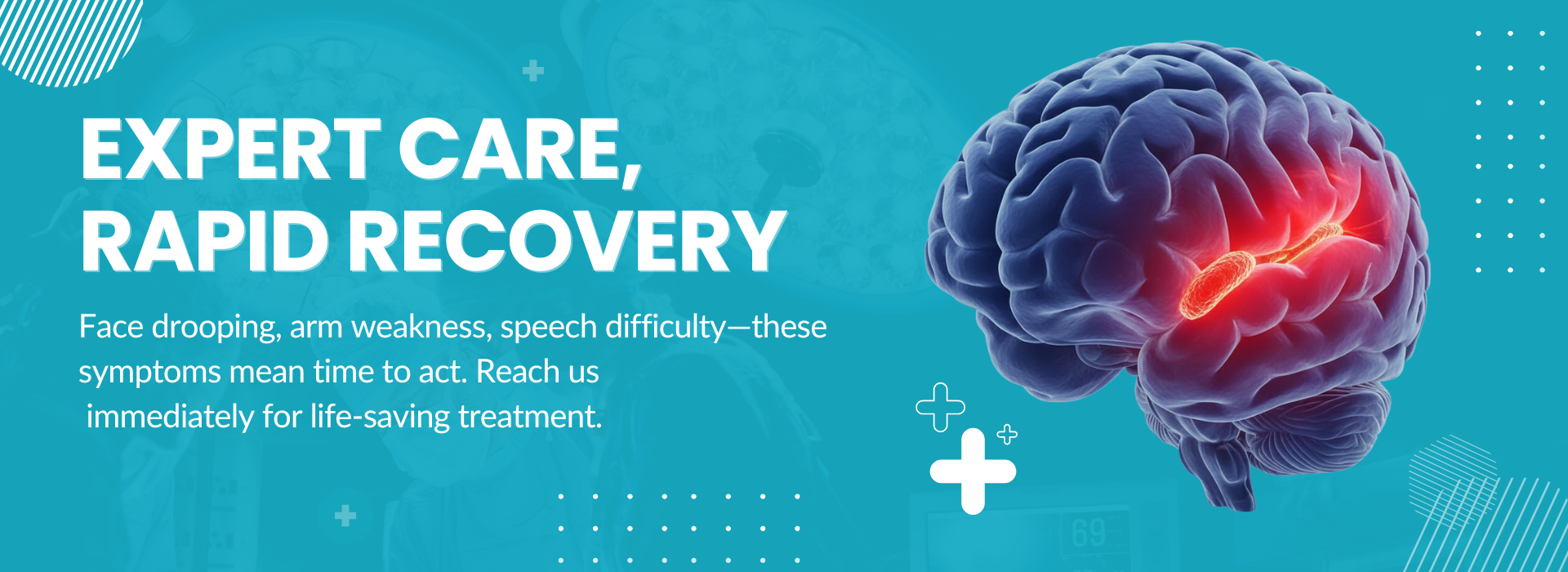
Face Drooping

One side of the face may droop or feel numb. Ask the person to smile.

Arm Weakness

One arm may feel weak or numb. Ask them to raise both arms.

Speech Difficulty

Speech may be slurred or strange. Ask them to repeat a simple sentence.

Time to Call Emergency

If any symptoms appear, call emergency services immediately. Every minute counts.

Meet Our Brain & Stroke Experts

Your brain is in trusted hands with our highly skilled stroke and neurosurgery specialists.With years of experience in diagnosing, treating, and managing stroke emergencies, our team is dedicated to protecting brain function, restoring mobility, and giving patients the best chance at recovery.From rapid intervention to advanced surgical care, we stand by your side every step of the way.

How can the risk of brain stroke be reduced?

A healthy brain is essential for a strong, active life. Stroke can happen suddenly, but the risk can be significantly reduced with the right lifestyle choices and timely medical attention. Our focus is on helping individuals understand warning signs, adopt preventive habits, and maintain long-term brain wellness. We aim to empower the community with knowledge, early detection, and immediate response strategies.

Healthy diet, regular exercise, and controlled blood pressure lower stroke risk.
0 %
Regular check-ups, sugar control, and cholesterol management reduce danger.
0 %
Acting FAST (Face, Arm, Speech, Time) saves lives and preserves brain function.
0 %

Brain Stroke

A brain stroke occurs when the blood supply to a part of the brain is suddenly blocked or a blood vessel bursts, causing brain cells to lose oxygen and begin to die within minutes. Rapid treatment is crucial to prevent permanent damage and save a life.

Brain stroke is one of the most serious medical emergencies. It affects the brain’s ability to control movement, speech, memory, and other vital functions. When blood flow stops, brain tissue begins to die rapidly.

SYMPTOMS:

  • Sudden Face Drooping
  • Slurred or Difficult Speech
  • Arm Weakness or Numbness

Our Testimonials

Scroll to Top